Highlights
- Biohazard cleanup professionals remove hazardous biological material and disinfect affected areas.
- Cleanup may be needed after deaths, accidents, sewage events, or other contamination involving bodily fluids.
- Crews use protective equipment, containment procedures, specialized cleaners, and controlled waste handling.
- Porous materials may need removal when contamination penetrates beyond a cleanable surface.
- OSHA, CDC, and EPA guidance supports safer exposure control, cleaning, and disinfection practices.
- Prompt remediation can reduce cross-contamination and prepare a property for repairs or normal use.
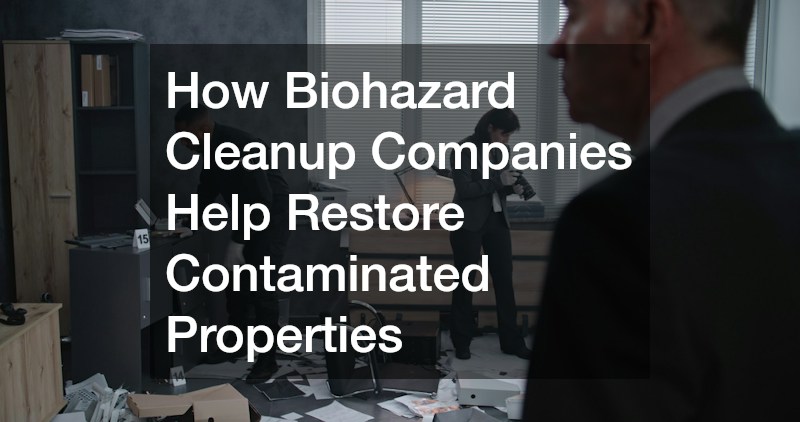
How Do Biohazard Cleanup Companies Restore Contaminated Properties?
Biohazard cleanup companies restore contaminated properties by managing the affected area, removing hazardous material, cleaning and disinfecting exposed surfaces, and preparing the site for repair or reuse. Their services may be needed after an unattended death, accident, crime scene, sewage backup, or another event involving blood, bodily fluids, human waste, or potentially infectious material.
The first priority is exposure control rather than appearance. Contaminants can spread through direct contact, footwear, tools, porous materials, and improper handling. Professional crews therefore treat the scene as a controlled work area, assessing contamination, possible hidden migration, affected contents, and disposal needs before restoration begins.
Why Is Professional Biohazard Cleanup Different From Routine Cleaning?
Professional biohazard cleanup differs from routine cleaning because biological contamination can create exposure risks that household methods are not designed to address. OSHA’s Bloodborne Pathogens Standard requires contaminated work surfaces to be cleaned and decontaminated after contact with blood or other potentially infectious materials. It also addresses protective equipment, regulated waste, and exposure-control practices. These requirements illustrate why serious contamination should not be treated as a simple spill. Cleanup personnel must evaluate the hazard, choose appropriate protective equipment, prevent cross-contamination, and use decontamination methods suited to the surface and material involved. This structured approach helps reduce unnecessary contact with potentially infectious substances.
What Happens During the Initial Assessment?
- The initial assessment identifies where contamination is located, how far it may have spread, and which materials can be cleaned or may require removal.
- Before active cleanup begins, professionals may restrict access and inspect flooring, walls, furniture, subflooring, carpeting, and nearby contents.
- Establishing a controlled work zone.
- Identifying blood, bodily fluids, waste, sharps, or related hazards.
- Checking porous and concealed materials for possible contamination.
- Selecting protective equipment for the conditions present.
- Planning removal, cleaning, disinfection, and waste handling.
- Protecting unaffected rooms from cross-contamination.
- A detailed assessment allows the cleanup plan to address more than what is immediately visible.
How Are Blood and Bodily Fluids Cleaned Safely?
Blood and bodily fluids are generally addressed through controlled removal, thorough cleaning, and disinfection. CDC environmental-cleaning guidance states that spills of blood or body fluids should be cleaned and disinfected promptly and describes a process that includes appropriate personal protective equipment, removal of the spill, cleaning, and disinfection. The exact method varies based on the surface, amount of contamination, and whether fluids have penetrated porous materials. Hard, nonporous surfaces may sometimes be cleaned and disinfected, while absorbent materials may need to be removed. The sequence matters because visible organic material should be removed before the final disinfection step is completed.
What Materials May Need to Be Removed Instead of Cleaned?
- Materials may need removal when contamination penetrates porous surfaces or reaches areas that cannot be effectively cleaned and disinfected.
- Biohazard cleanup companies often evaluate affected materials individually rather than assuming everything can be saved.
- Carpet and padding that absorbed biological fluids.
- Mattresses, upholstery, or fabrics with deep contamination.
- Drywall, insulation, or wood affected beneath the surface.
- Flooring or subflooring reached through seams and gaps.
- Disposable protective equipment and cleanup materials.
- Sharps or regulated waste requiring controlled handling.
- Removing compromised materials can also reveal hidden contamination, allowing remaining structural surfaces to be cleaned before reconstruction begins.
Why Does the Choice of Disinfectant Matter?
The choice of disinfectant matters because a product must be appropriate for the specific organisms of concern, the affected surface, and the minimum required contact time. The EPA maintains a list of registered antimicrobial products effective against bloodborne pathogens, including HIV, hepatitis B, and hepatitis C. The list provides information about active ingredients, formulation types, approved surfaces, and contact times. Those details are important because spraying a product and wiping it away immediately may not follow its label directions. Effective remediation distinguishes cleaning, which removes soil and organic material, from disinfection, which uses an antimicrobial product according to its instructions.
How Does Cleanup Support Property Restoration?
Cleanup supports restoration by creating conditions in which damaged areas can be repaired without leaving contamination behind. After hazardous material is removed and remaining surfaces are cleaned and disinfected, property owners can determine what needs drying, sealing, replacement, or reconstruction. This is particularly important when contamination reaches flooring systems, wall cavities, cabinetry, or other building materials that surface cleaning cannot fully address. Odor treatment may also be part of the process, but odor control should follow removal of the contamination source. Documentation of affected materials and completed cleanup can also help coordinate the next steps with restoration contractors, property managers, insurers, or other involved parties.
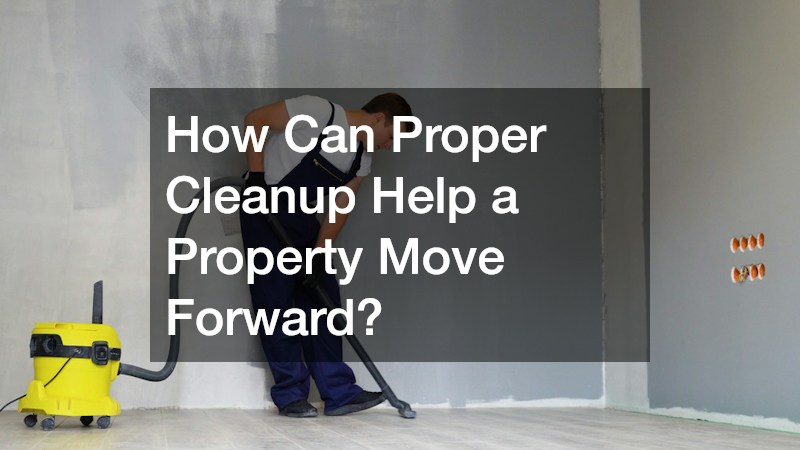
How Can Proper Cleanup Help a Property Move Forward?
Proper biohazard cleanup companies can help a property move forward by replacing an uncontrolled contamination problem with an organized process of removal, cleaning, disinfection, and restoration planning. The work goes beyond making a room appear clean. It requires identifying what was exposed, deciding what can be treated, removing materials that cannot be adequately remediated, and applying appropriate disinfectants correctly. Guidance from OSHA, the CDC, and the EPA reinforces the importance of protective equipment, prompt decontamination, and suitable antimicrobial products. When serious biological contamination affects a home, business, or rental property, professional biohazard cleanup companies can help reduce exposure concerns and create a safer path toward repairs and renewed use. Thorough remediation also gives owners a clearer foundation for rebuilding, reopening, or reoccupying a property with greater confidence in the work already completed. That disciplined process turns recovery from guesswork into informed action.