
Home improvement services encompass a wide range of activities, from minor repairs to major renovations. Given the broad spectrum of services, the warranties associated with them can be equally varied. As such, it becomes essential for homeowners to thoroughly understand the different types of warranties that contractors offer. This understanding is crucial in ensuring that the coverage provided truly meets their needs and protects their investment.
There are generally two main types of warranties to consider: material warranties and workmanship warranties. Material warranties are provided by the manufacturers of the products used in the improvement project, guaranteeing that the products will function as expected for a certain period. On the other hand, workmanship warranties are offered by the contractors performing the work, ensuring that the services rendered are free from defects related to poor workmanship or incorrect installation.
When evaluating warranty options, homeowners should be attentive to the terms and conditions set forth by the warranty provider. This implies reading through the fine print to understand what is and isn’t covered. Factors such as the duration of the warranty, the process for filing claims, and any required maintenance to retain coverage are critical details that can affect your coverage.
To sum up, having a solid grasp of the warranties related to home improvement projects can significantly benefit homeowners. These warranties not only provide legal and financial protection but also ensure that any issues that arise during or after the completion of the project can be adequately addressed, thereby safeguarding your investment over the long term.
1. What Warranties Do Roofing Companies Offer?
1.1 Manufacturer’s Warranty
Roofing companies often provide a manufacturer’s warranty, which covers defects in the roofing materials used. This warranty ensures that homeowners receive replacement materials if the original ones fail due to manufacturing flaws. The typical duration of such warranties aligns with the lifespan expectancy of the roofing material itself.
1.2 Workmanship Warranty
A workmanship warranty is distinct from a manufacturer’s warranty as it covers the installation of the roof. Roofers assure homeowners that their roof will be installed correctly and professionally. This warranty is crucial because improper installation can lead to issues not covered under a manufacturer’s warranty.
1.3 How to Claim a Warranty
To successfully claim a warranty, homeowners need to report issues promptly to the roofing company. The claim process usually involves a thorough inspection by the contractor to assess the validity of the claim. It’s vital to maintain comprehensive documentation of any communications and work done by the roofers.
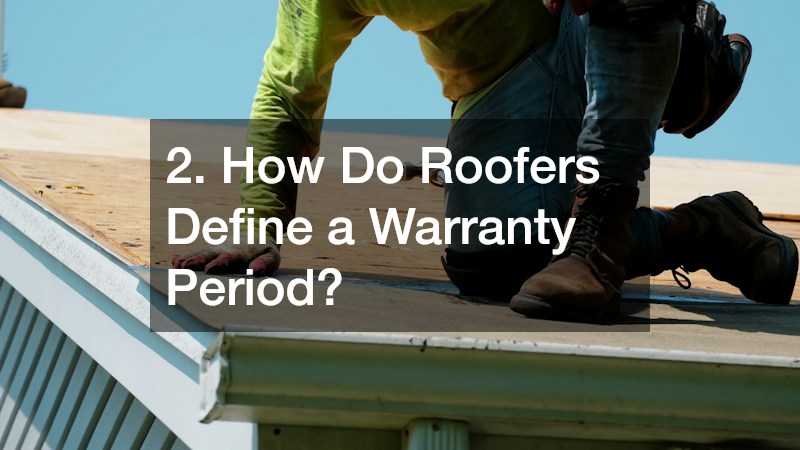
2. How Do Roofers Define a Warranty Period?
2.1 Standard Warranty Duration
Roofers typically offer a standard warranty period that ranges from 5 to 10 years for workmanship. The duration can vary depending on the roofing company and the materials used. Generally, longer warranty periods indicate the contractor’s confidence in their workmanship quality.
2.2 Extended Warranty Options
Many roofing companies offer extended warranty options for an additional cost. These extended warranties provide extra peace of mind by extending coverage past the initial period. It’s essential for homeowners to carefully evaluate the benefits of extended warranties in terms of cost versus coverage.
2.3 Terms and Conditions
Carefully outlining the terms and conditions related to warranties offers a clearer picture of coverage limitations. Roofers often include clauses that specify maintenance requirements and conditions that could void the warranty. Homeowners should ensure they fully understand these conditions to maintain warranty validity.
3. Are Local Roof Repairs Covered by Warranties?
3.1 Common Coverage Scenarios
Local roof repairs are often covered by warranties if they result from contractor-initiated work. However, normal wear, environmental damages, or homeowner neglect are typically not covered. To confirm eligibility, roofers will inspect the roof to establish the cause of any damage.
3.2 Exclusions to Be Aware Of
Exclusions in warranty coverage can commonly include damage from natural disasters or unauthorized modifications. Understanding these exclusions helps homeowners know when a warranty claim might be denied. Transparency from roofing companies ensures homeowners have realistic expectations regarding coverage.
3.3 Navigating Warranty Claims
Navigating the warranty claims process can be intricate, requiring collaboration between homeowners and local roof repair companies. Maintaining thorough records of any prior interactions and completed repairs can aid the claims process. Homeowners should proactively reach out to their contractor immediately upon noticing an issue.
4. What Types of Warranties Do Siding Contractors Provide?
4.1 Material Warranties
Siding contractors often offer material warranties that cover defects in the siding materials used. These warranties can last anywhere from 10 years to a lifetime, depending on the material quality. It’s essential for homeowners to verify that the warranty terms match the anticipated lifespan of the siding.
4.2 Installation Warranties
Installation warranties cover the quality of the work done by siding service providers. This type of warranty assures homeowners that their siding was installed to meet industry standards. In cases of installation flaws, contractors are typically responsible for rectifying the issue.
4.3 Maintaining Warranty Validity
To preserve warranty validity, homeowners are usually required to perform regular maintenance. This may include cleaning, checking for damage, and addressing minor repairs promptly. Siding contractors may provide specific guidelines that, if not followed, could void the warranty.
5. How Reliable is a Siding Service Warranty?
5.1 Evaluating Warranty Credibility
Evaluating the credibility of a siding service warranty involves looking at the contractor’s history and customer reviews. Established siding contractors tend to offer more reliable warranties. Clients should consider not only the length of the warranty but also the company’s track record of honoring claims.
5.2 Comparing Different Providers
When comparing siding service providers, it is important to assess the scope of their warranties. This includes installation practices, materials used, and customer service quality. Warranties reflecting strong provider confidence often include minimal exclusions and reasonable terms.
5.3 Customer Satisfaction Ratings
Online reviews and customer satisfaction ratings are valuable tools for assessing warranty satisfaction. By researching past customers’ experiences with warranty claims, homeowners can get insights into potential future claims. Reliable siding service providers prioritize customer satisfaction as part of their warranty offerings.
6. Do Water Well Drilling Services Include Warranties?

6.1 Coverage on Drilling Operations
Water well drilling services often include warranties on drilling operations to assure quality and regulatory compliance. These warranties generally cover the drilling and installation of the well casing, protecting against collapses or improper installation. Homeowners should confirm the specific coverage and duration of these warranties when selecting providers.
6.2 Understanding Limitations
Warranties on water well drilling services may have limitations surrounding specific groundwater conditions. For example, natural water table fluctuations or contamination might not be covered under standard warranties. Homeowners should thoroughly discuss potential limitations with their drilling service provider.
6.3 Choosing a Reputable Service
Choosing a reputable water well service company involves examining both warranty terms and the provider’s reputation. Long-standing companies with robust warranties are more likely to deliver consistent quality. Verification of credentials and customer reviews can aid homeowners in selecting a trustworthy partner.
7. What Should Be Included in a Water Well Pump Installation Warranty?
7.1 Essential Warranty Features
Essential features of a water well pump installation warranty should cover both components and labor for a reasonable duration. These warranties often cover the replacement of defective parts and ensure the pump operates as intended. It’s prudent to confirm that the warranty covers both the pump itself and the installation work.
7.2 Common Issues Addressed
Common issues addressed in water well pump installation warranties include mechanical failures, motor problems, and operational issues caused by installation errors. Identifying typical warranty claims can help homeowners gauge which issues might fall under warranty coverage. A reliable company will be proactive in resolving these issues efficiently.
7.3 Handling Repair or Replacement
The process for handling repairs or replacements under warranty is usually expedited by contacting the installation provider directly. It’s crucial for homeowners to promptly report pump issues and seek service without delay. Documentation of the installation and any prior service requests can streamline this process.
8. How Can You Ensure Proper Water Well Service Under Warranty?
8.1 Routine Maintenance Requirements
Routine maintenance requirements stipulated in water well service warranties are vital for continued coverage. These requirements typically include regular inspection, cleaning, and record-keeping of maintenance activities. Adhering to these requirements helps secure warranty coverage for unforeseen pump issues.
8.2 Identifying Warranty Exceptions
Identifying exceptions in warranty terms can mitigate potential disputes over coverage. Common exclusions involve damage due to homeowner neglect or unauthorized modifications. Understanding the scope and limits of the warranty is pivotal in setting realistic expectations for service outcomes.
8.3 Timely Reporting and Accountability
Timely reporting of issues and holding the service provider accountable are key to successfully navigating warranty claims. Homeowners should promptly communicate any problems to avoid lapses in coverage. Establishing clear communication channels enhances the efficacy of warranty services provided by the water well company.
9. What Terms Are Fence Companies Likely to Include in Their Warranties?
9.1 Understanding Various Coverage Options
Fence companies typically include warranties that cover materials and workmanship, ensuring protection against premature failures. These warranties define what repairs or replacements the company will provide should a defect arise. Homeowners should assess these terms to familiarize themselves with their available options.
9.2 The Impact of Weather and Wear
Natural deterioration due to weather and regular wear may be covered to a limited extent or excluded entirely. Understanding how weather conditions might impact fence warranty claims informs homeowner decisions in harsher climates. Fence companies often outline specific guidance for maintaining fence integrity despite environmental challenges.
9.3 Tips for Maintaining Your Fence
Maintaining your fence often involves regular cleaning, inspections, and addressing minor repairs promptly. Adhering to prescribed maintenance can prevent voidance of the warranty due to neglect. Employing best practices for upkeep recommended by the fence installation provider extends the fence’s lifespan and ensures warranty validity.
10. Are Warranties on Fence Installation Truly Beneficial?
10.1 Long-Term Benefits of Coverage
The long-term benefits of having warranty coverage for fence installation include repair cost savings and assurance of service quality. When issues arise, warranties act as a financial safeguard and provide peace of mind. Homeowners benefit by knowing their investment is protected against unforeseen circumstances.
10.2 Cost-Benefit Analysis
Conducting a cost-benefit analysis helps determine the value of extended or standard warranties. Homeowners should weigh the upfront costs of warranty plans against potential long-term repair expenses. Optimal protection involves a balanced consideration of initial investment and anticipated benefits.
10.3 Customer Testimonials and Case Studies
Customer testimonials and case studies can provide insights into the practical benefits of warranty coverage from fence companies. Gathering evidence of successful warranty claims adds another layer of confidence for prospective customers. The positive resolution of claims highlights a contractor’s reliability and commitment to quality service.
The presence of a comprehensive warranty not only reassures homeowners about the quality of the products or services they are receiving, but it also acts as a financial shield, safeguarding them against unexpected expenses that could arise from faulty workmanship or defective materials. With a strong warranty in place, homeowners can feel secure knowing that they have a safety net should any issues arise with the home improvements undertaken.
However, achieving optimal protection from a warranty does not happen by chance. It requires a thoughtful and thorough evaluation of all aspects related to the warranty before proceeding with any home improvement project. This involves scrutinizing the terms and conditions, understanding what is covered and what is not, and being aware of the duration of coverage and any actions that might void the warranty. By investing time to carefully compare different warranty options, homeowners can select one that best aligns with their needs and provides the most comprehensive coverage for their specific project.
In summary, delving into the intricacies of warranties is a pivotal step for anyone looking to enhance their living space with home improvements. By ensuring that they are fully covered, homeowners can proceed with their projects with confidence, knowing that they are protected against potential pitfalls and future unforeseen costs.